In today’s modern printing, packaging, and advertising industries, high-quality finishing plays a crucial role in product presentation and durability. Businesses need reliable equipment that can protect printed materials without damaging sensitive surfaces. One of the most widely used solutions for this purpose is the cold roll laminator machine.
This machine is specially designed to apply lamination film without using heat. Instead, it uses pressure-based technology to bond adhesive films onto various materials. Because of its safe and efficient operation, it is widely used in industries where heat-sensitive materials are involved.
What is a Cold Roll Laminator Machine?
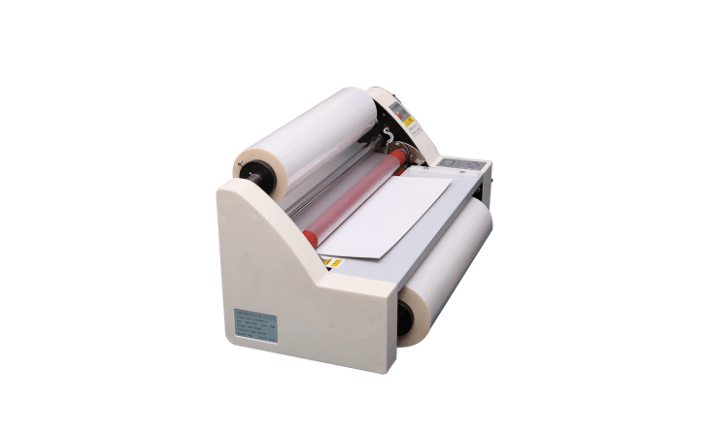
A cold roll laminator machine is an industrial or commercial device that applies protective film onto printed materials using pressure instead of heat. It works by pressing adhesive-coated film onto paper, vinyl, or other substrates through rollers.
This process ensures smooth finishing while protecting materials from dust, moisture, scratches, and fading. Since no heat is involved, it is ideal for delicate prints such as photographs, vinyl graphics, and inkjet outputs.
Cold roll laminators are commonly used in printing shops, advertising agencies, and signage industries.
Importance of Cold Roll Laminator Machine in Modern Industry
As industries evolve, the demand for safe and high-quality finishing solutions continues to grow. The cold roll laminator machine plays an important role in meeting these requirements.
Key reasons for its importance include:
- Safe lamination for heat-sensitive materials
- High-quality smooth finishing
- Protection against moisture and dust
- Easy operation and maintenance
- Suitable for wide-format printing
- Cost-effective lamination solution
These advantages make it a preferred choice in modern printing and advertising sectors.
How a Cold Roll Laminator Machine Works
The working process of a cold roll laminator machine is simple yet highly effective.
Film Loading
A roll of adhesive lamination film is installed on the machine.
Material Feeding
Printed material is fed into the machine through a roller system.
Pressure Application
The machine applies controlled pressure using rollers to bond the film onto the surface.
Smooth Lamination
The film is evenly applied, ensuring no bubbles, wrinkles, or misalignment.
Output Collection
The laminated material is collected in finished form for use or further processing.
This process ensures fast, clean, and professional results.
Types of Cold Roll Laminator Machines
Different industries use different types of cold laminators based on production requirements.
Manual Cold Roll Laminators
These machines are used for small-scale work and require manual operation. They are suitable for offices and small print shops.
Semi-Automatic Cold Laminators
These machines combine manual feeding with automatic rolling systems, suitable for medium production needs.
See also: How Implementing Enterprise Search Revolutionizes Business Efficiency?
Fully Automatic Cold Roll Laminators
Designed for industrial use, these machines offer high-speed and continuous lamination with minimal human intervention.
Wide-Format Cold Laminators
Used for banners, posters, and large signage materials in advertising industries.
Each type serves different operational needs depending on production scale.
Key Features of Cold Roll Laminator Machine
Modern cold roll laminator machines come with advanced features that improve efficiency and output quality.
Heat-Free Operation
No heat is used, making it safe for sensitive materials.
Smooth Pressure System
Ensures even lamination without bubbles or defects.
Adjustable Speed Control
Operators can control speed based on material type and requirement.
Easy Material Handling
Simple feeding systems make operation smooth and efficient.
Durable Roller System
High-quality rollers ensure long-lasting performance and consistent output.
User-Friendly Controls
Modern machines come with simple and easy-to-use control panels.
Applications of Cold Roll Laminator Machine
Cold roll laminator machines are widely used in multiple industries due to their versatility.
Advertising Industry
Used for banners, posters, billboards, and outdoor signage.
Printing Industry
Ideal for photographs, vinyl prints, stickers, and digital prints.
Graphic Design Studios
Used for finishing design projects and visual artwork.
Retail and Branding
Used for product displays, promotional materials, and branding visuals.
Educational Sector
Used for maps, charts, and teaching materials that require protection.
The wide application range makes it an essential tool for modern businesses.
Advantages of Cold Roll Laminator Machine
Businesses benefit greatly from using cold roll laminators.
Safe for Sensitive Materials
No heat damage, making it suitable for delicate prints.
High-Quality Finish
Provides smooth and professional lamination results.
Cost-Effective Solution
Reduces reprinting costs by protecting materials.
Easy Operation
Simple design makes it easy to operate even for beginners.
Versatile Usage
Compatible with various materials and print types.
Low Maintenance
Requires minimal servicing compared to heat-based machines.
Technological Improvements in Cold Roll Laminator Machines
Modern machines are equipped with advanced technology to improve performance.
Key innovations include:
- Precision roller alignment systems
- Digital speed control panels
- Anti-bubble pressure technology
- Automatic tension control systems
- Improved adhesive film compatibility
- Energy-efficient motor systems
These features enhance productivity and ensure consistent results.
Role in Modern Printing and Advertising Industry
The cold roll laminator machine plays a vital role in improving the quality of printed materials in the modern market. Businesses rely on it to produce visually attractive and durable products.
It helps in achieving:
- Better visual presentation
- Longer material lifespan
- Improved customer satisfaction
- Professional branding output
This makes it an essential tool in the printing and advertising industry.
Environmental Benefits of Cold Roll Laminator Machine
Modern cold lamination technology also supports eco-friendly production methods.
Eco-friendly benefits include:
- No heat energy consumption
- Reduced power usage
- Compatibility with recyclable films
- Minimal waste production
- Cleaner operational process
These features help industries reduce environmental impact while maintaining efficiency.
Challenges of Cold Roll Laminator Machine
Despite its benefits, there are some limitations:
- Limited bonding strength compared to heat lamination in some cases
- Adhesive film cost can be higher
- Requires proper alignment for best results
- Not suitable for all industrial applications
However, its advantages often outweigh these limitations in printing and signage industries.
Future of Cold Roll Laminator Machine
The future of cold roll laminator machines is focused on automation, precision, and sustainability.
Future developments may include:
- AI-based alignment correction
- Fully automated feeding systems
- Smart sensor-based quality control
- Faster high-speed lamination systems
- Eco-friendly adhesive technology
These innovations will further improve efficiency and usability.
Conclusion
The cold roll laminator machine is an essential tool for modern printing, advertising, and graphic industries. It offers safe, efficient, and high-quality lamination without the use of heat, making it ideal for sensitive materials.
With continuous technological advancements and increasing industry demand, cold roll laminator machines will continue to play a major role in professional printing and finishing solutions worldwide.