Aluminium angle is a versatile and widely used component in the construction and manufacturing industries. As part of structural building supplies, aluminium angle offers a range of benefits that make it an essential material in various applications. This article aims to explore the uses and advantages of aluminium angle, providing insight into why it remains a popular choice among builders, architects, and engineers.
Understanding Aluminium Angle
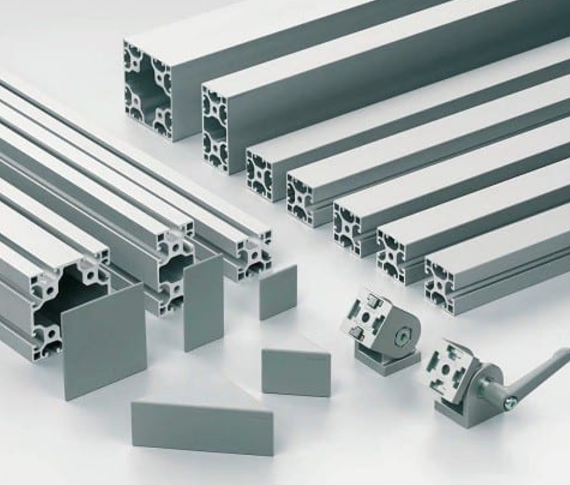
Aluminium angle is a type of metal profile shaped in an L form with two legs at a right angle. It is commonly manufactured through processes such as extrusion or rolling and is available in various sizes, thicknesses, and finishes. The inherent properties of aluminium, such as its light weight, corrosion resistance, and strength, make aluminium angle an attractive option for structural applications.
Applications of Aluminium Angle in Building Structures
In the realm of structural building supplies, aluminium angle serves multiple purposes. It is often employed as a support or reinforcement element in frameworks. For example, aluminium angles provide edge protection or act as braces to improve the rigidity and stability of structures. Additionally, they are used in frameworks for doors and windows, partitions, shelves, and even furniture construction.
The flexibility and ease of fabrication of aluminium angle enable it to fit various design requirements, from heavy-duty industrial frameworks to delicate architectural features. Its adaptability allows it to be cut, drilled, welded, and bolted with minimal effort.
Advantages of Using Aluminium Angle
One of the primary advantages of aluminium angle is its excellent strength-to-weight ratio. Aluminium is significantly lighter than steel, making it easier to handle and transport while still providing adequate structural support. This characteristic reduces the overall weight of construction projects, which can lead to lower transportation and installation costs.
Corrosion resistance is another critical benefit of aluminium angle. Aluminium naturally forms a protective oxide layer that prevents rusting, making it ideal for outdoor and exposed environments. This resistance to weathering extends the lifespan of structures and reduces maintenance requirements compared to steel or other metals prone to corrosion.
Durability and Low Maintenance
Due to its corrosion resistance, aluminium angle requires minimal maintenance. It does not need frequent repainting or protective coatings, which contributes to cost savings over time. The material maintains its structural integrity even in harsh environments involving moisture, chemicals, or salt exposure.
Furthermore, aluminium is resistant to UV radiation and does not deteriorate under sunlight, making it suitable for applications in external architectural details and building facades.
Cost and Availability
Aluminium angle is widely available through specialised suppliers of structural building materials. Because of its extensive use, the cost of aluminium angle remains competitive, especially when compared to comparable materials like stainless steel. The availability and reasonably low cost make it an accessible option for both large-scale commercial projects and smaller renovations or repairs.
Environmental Considerations
An added advantage of aluminium is its recyclability. Aluminium is highly recyclable without loss of quality, which makes it an eco-friendly option for sustainable building practices. The recycling process of aluminium requires significantly less energy compared to its initial production, reducing environmental impact.
Design Flexibility and Aesthetic Appeal
Aluminium angle comes with a variety of surface finishes, including anodised, powder-coated, or mill finish, which enhances the aesthetic appeal without compromising structural strength. This versatility allows architects and designers to incorporate aluminium angle in visible parts of buildings, combining function and style.
Its ability to be shaped and customised to bespoke specifications provides further opportunities for innovative structural solutions.
Installation and Fabrication
Installing aluminium angle is generally straightforward due to its lightweight nature and ease of machining. It can be joined using mechanical fasteners such as bolts and rivets or welded when needed. The ease of handling reduces labour costs and accelerates project timelines.
Comparison to Other Materials
Compared to steel, aluminium angle is lighter and offers better corrosion resistance but tends to be more expensive. However, when considering the total lifecycle cost, including maintenance and longevity, aluminium angle presents a cost-effective option. When compared with plastic or composite materials, aluminium provides superior strength and fire resistance, making it preferable for structural applications.
See also: How Implementing Enterprise Search Revolutionizes Business Efficiency?
Where to Source Aluminium Angle
For those seeking quality aluminium angle, reliable suppliers specialising in structural building supplies often provide a comprehensive range of sizes and specifications. Choosing a reputable supplier ensures material consistency, certification compliance, and technical support to meet project requirements.
Summary
Aluminium angle remains a fundamental material in structural building supplies due to its strength, durability, corrosion resistance, and design flexibility. Its applications extend across numerous sectors, including construction, manufacturing, and architecture. The environmental benefits and ease of installation further support its continued use in modern building projects.
Understanding the properties and advantages of aluminium angle assists professionals in selecting the most suitable materials to enhance structural performance and achieve cost-effective, sustainable outcomes.