Introduction
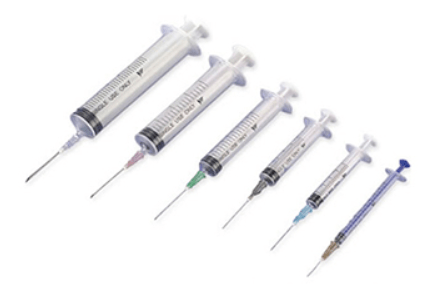
In modern clinical practice, types of syringes is a topic every healthcare professional must understand thoroughly. Proper knowledge of this subject directly impacts patient safety and treatment effectiveness across all clinical settings.
Core Clinical Concepts
An intravenous (IV) set consists of several interconnected components that work together to deliver fluids, medications, or blood products directly into a patient’s bloodstream. Understanding these parts helps clinicians troubleshoot issues and maintain patient safety.
The Spike and Drip Chamber
The spike is the sharp entry point that pierces the IV bag or bottle, connecting directly to the drip chamber. The drip chamber allows clinicians to visually monitor fluid flow rate. Proper insertion of the spike is critical to maintaining a sterile environment throughout the infusion process.
Tubing and Flow Regulator
The flexible PVC tubing carries fluid from the bag to the patient. Modern IV sets include a roller clamp that allows precise control over the drip rate. Tubing length typically ranges from 150 cm to 200 cm depending on the clinical application and patient positioning requirements.
Practical Applications in Healthcare
For nurses and physicians, familiarity with every component is not just academic. It directly impacts patient outcomes. A malfunctioning drip chamber or kinked tubing can interrupt therapy and cause serious complications including fluid imbalance or medication errors.
- Always verify sterility and expiration date before use
- Use aseptic technique during all connections and disconnections
- Document the time of setup and rate of infusion in patient records
- Monitor the infusion site regularly for signs of infiltration or phlebitis
- Change equipment per institutional protocol to prevent infection
Safety and Quality Considerations
Before connecting an IV set, every component must be visually inspected. Check packaging integrity, look for cracks or discoloration in tubing, and verify the expiration date. The drip chamber should be free of bubbles, and the filter should be intact and undamaged.
Frequently Asked Questions
FAQ 1: What are the most important safety considerations for this topic?
Safety in clinical practice depends on using sterile technique, following manufacturer instructions, adhering to institutional protocols, and staying current with evidence-based guidelines. Never compromise on any of these principles.
FAQ 2: How often should related equipment and supplies be replaced?
Most intravenous medical devices are single-use and must be discarded after each use. Reusable components should be replaced according to manufacturer and institutional guidelines, typically every 72 to 96 hours.
See also: Spinal Fusion Devices: Stabilizing the Spine for Long-Term Health
FAQ 3: Where can I learn more about clinical best practices?
Professional nursing organizations, hospital education departments, manufacturer product guides, and peer-reviewed clinical journals are all excellent resources for staying current with best practices in IV therapy.
Conclusion
Thorough knowledge of types of syringes is an essential component of professional clinical practice. By understanding the details covered in this guide, healthcare providers are better prepared to deliver safe, effective, and evidence-based care to every patient.