
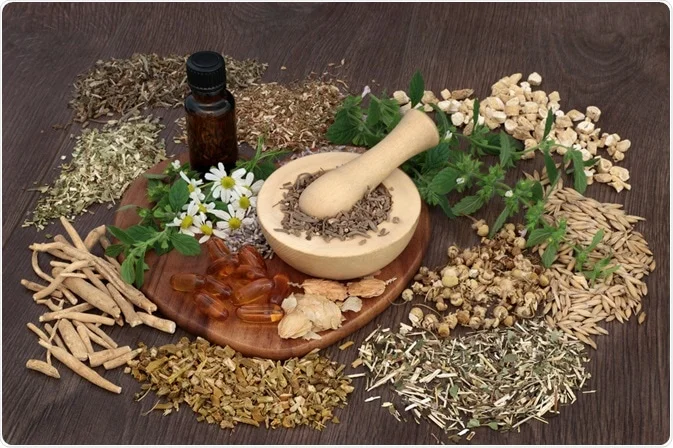
With more than 30,000 species of medicinal plants, Indonesia stands among the world’s richest nations in natural biodiversity. Media pafikutaikab.org reported that from Sumatra’s rainforests to Papua’s highlands, the archipelago’s abundant flora offers enormous potential for developing herbal medicines that could transform both local healthcare and the global wellness industry.
As the world shifts toward natural and sustainable health solutions, Indonesia’s traditional knowledge and herbal heritage are gaining renewed attention not only as cultural treasures but as valuable scientific assets.
A Legacy of Healing, Rooted in Tradition
For centuries, Indonesians have relied on jamu, a traditional herbal remedy made from plants like turmeric, ginger, lemongrass, and temulawak. This ancient practice continues to play a vital role in maintaining community health, especially in rural areas.
According to Dr. Sri Yuliani, a botanist from Indonesia’s National Research and Innovation Agency (BRIN), the country’s herbal diversity represents “a living pharmacy.” She notes that at least 9,000 species have been identified as having medicinal properties, though only a fraction has been scientifically studied.
“Indonesia’s herbal potential is extraordinary,” Dr. Yuliani said. “If properly researched and developed, it could not only strengthen our national health resilience but also position Indonesia as a global leader in herbal medicine innovation.”
From Forests to Pharmacies
Indonesia’s biodiversity stretches across 17,000 islands, encompassing tropical rainforests that produce plants with high bioactive compound potential. Species like pegagan (Centella asiatica) for skin health, sambiloto (Andrographis paniculata) for immunity, and jahe merah (red ginger) for anti-inflammatory purposes are already being used in modern formulations.
In recent years, local researchers and universities have intensified collaboration with pharmaceutical companies to test, validate, and standardize herbal extracts. These efforts are part of a broader national agenda to achieve “herbal sovereignty”, reducing dependence on imported raw materials and synthetic drugs.
Challenges on the Path to Global Recognition
Despite its vast potential, Indonesia’s herbal industry faces major challenges — from limited clinical research to the lack of standardized processing and international certification. Many small producers still rely on traditional drying and extraction techniques, which can affect quality and consistency.
“Global herbal markets demand strict evidence of safety and efficacy,” explained Prof. Bambang Hidayat, a pharmacologist from Universitas Indonesia. “Indonesia must invest more in laboratory infrastructure, research funding, and patent protection to compete globally.”
Regulatory alignment is also essential. Countries like China and India have long integrated herbal medicine into modern healthcare through structured policies and scientific validation — a model Indonesia aims to follow in the coming decade.
Read Also: Green Tech Innovations: How Technology Is Fighting Climate Change
A Global Opportunity in the Making
The global herbal medicine market is projected to surpass USD 600 billion by 2030, driven by rising consumer interest in natural remedies and preventive healthcare. Experts believe Indonesia’s herbal biodiversity, if properly managed, could play a major role in this booming sector.
The government’s focus on eco-friendly cultivation, digital traceability, and export-oriented herbal innovation reflects a growing commitment to elevate local herbs onto the world stage.
“Indonesia has what the world needs: natural resources, traditional wisdom, and growing scientific capacity,” Prof. Bambang said. “What remains is the will to unite them.”
Indonesia’s herbal wealth is more than just an environmental asset — it is a national strength that bridges culture, science, and global health.
By blending traditional knowledge with modern research, Indonesia can transform its biodiversity into a sustainable source of innovation, wellness, and economic growth — proving that the healing power of nature truly begins at home.
Source: https://pafikutaikab.org/