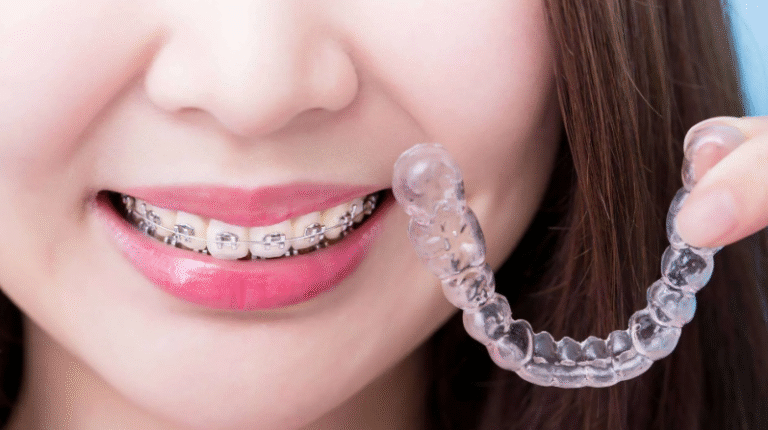
Orthodontic treatment isn’t what it used to be.
Not because braces or clear aligners have disappeared, but because the way treatment is planned and monitored has changed. Many patients are surprised to learn how much technology now supports each stage of the process, often making care more accurate and comfortable than it was years ago.
The biggest difference isn’t always visible during an appointment. Much of it happens behind the scenes.
A Better View from the Very Beginning
One of the first steps in orthodontic care is understanding exactly what’s happening beneath the surface.
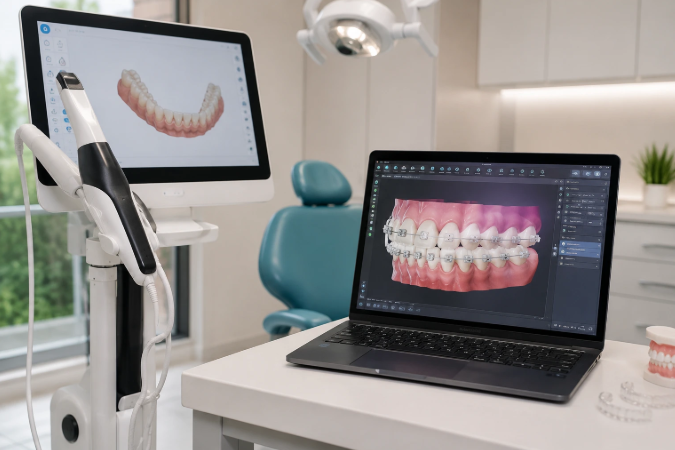
Instead of relying only on traditional impressions, many practices now use digital scans to create detailed images of the teeth and bite. These scans help orthodontists see spacing, alignment, and jaw relationships with impressive accuracy.
Understanding how digital scans improve orthodontic treatment is fairly simple. Better information at the beginning usually leads to better decisions throughout treatment.
Patients also tend to appreciate that digital scans are quicker and far more comfortable than messy impression trays.
See also: How Women Can Maintain Energy and Health During Busy Lifestyles
Technology Helps Build a Personalized Plan
No two smiles develop the same way.
Some patients need minor adjustments, while others require more complex bite correction. That’s why treatment planning has become increasingly personalized.
With digital smile planning, orthodontists can evaluate tooth movement, bite function, and overall facial balance before treatment begins. This creates a roadmap that’s based on the individual rather than a one-size-fits-all approach.
It’s one reason many families appreciate today’s modern orthodontic care.
Monitoring Progress More Efficiently
Treatment doesn’t stop once braces or aligners are placed.
Every adjustment, every tooth movement, and every follow-up appointment contributes to the final result. Advances in digital tools in orthodontic care make it easier to monitor that progress over time.
Instead of waiting until problems become noticeable, orthodontists can often identify small changes early and make adjustments before they affect the overall treatment plan.
That added precision can improve both efficiency and the patient experience.
The Growing Role of AI
One of the newer developments is AI in orthodontics.
Rather than replacing clinical expertise, AI helps organize and analyze information gathered during treatment. It can identify movement patterns, assist with planning, and support orthodontists as they evaluate different treatment options.
The technology doesn’t make decisions on its own. Instead, it provides another layer of information that helps orthodontists create more personalized recommendations.
Combined with modern smile care technology, these advances are helping practices deliver treatment that’s increasingly tailored to each individual patient.
What This Means for Patients
Technology is certainly changing orthodontics, but the goal hasn’t changed at all.
Patients still want healthy teeth, a comfortable bite, and a smile they feel confident sharing. The difference is that today’s digital systems allow orthodontists to gather better information before treatment starts and monitor progress more closely along the way.
For anyone looking for an Orthodontist in Colorado, it’s worth asking about the technology used during consultations and treatment. Digital scans, advanced imaging, and personalized planning can all contribute to a smoother experience and more predictable results.
The benefits of digital orthodontics extend beyond convenience. Better diagnostics, improved communication, and more precise planning all support successful smile transformation while keeping patient care at the center of every decision.
Technology will continue to evolve, but one thing is likely to remain the same. The best orthodontic care will always combine modern innovation with thoughtful clinical experience, giving every patient the attention, their smile deserves.