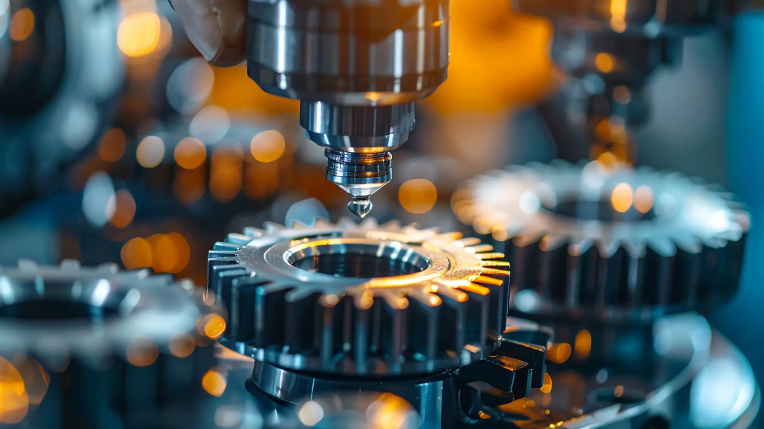
In today’s competitive manufacturing landscape, efficiency, precision, and durability are critical factors that define industry success. Manufacturers across automotive, aerospace, electronics, and industrial sectors continuously seek processes that deliver high-quality, complex components while minimizing production costs and material waste. Among the most effective solutions available, aluminium die casting has emerged as a leading technique. Its ability to produce lightweight, strong, and intricately designed parts makes it a preferred choice for modern manufacturing. The adoption of aluminium die casting service providers worldwide has streamlined production for countless industries, enabling faster turnaround times and enhanced component reliability.
Understanding Aluminium Die Casting
Aluminium die casting is a high-precision manufacturing process in which molten aluminum is injected into steel molds, known as dies, under high pressure. This method allows the creation of parts with complex geometries, excellent surface finishes, and consistent dimensions. Unlike traditional casting, which relies on gravity to fill molds, die casting ensures uniformity, reduces material waste, and shortens production cycles.
The process starts with designing and fabricating the die according to the required specifications. Molten aluminum is then injected into the mold cavity at high pressure, filling every intricate detail. Once the metal solidifies, the die opens, and the aluminium die casting service service provider removes the finished part. Post-processing steps, such as trimming excess material, machining critical surfaces, or applying surface treatments, may follow depending on the application requirements.
Key Advantages of Aluminium Die Casting
Aluminium die casting offers numerous benefits that make it a versatile solution for manufacturers:
High Precision and Accuracy
One of the most important advantages of aluminium die casting is its ability to produce components with tight tolerances. This precision ensures that parts fit seamlessly within assemblies and function reliably, making them essential in applications where even minor deviations can impact performance.
Complex and Intricate Designs
Die casting allows manufacturers to create components with intricate geometries, thin walls, and internal cavities that would be challenging to achieve with other manufacturing methods. This flexibility empowers engineers to innovate in both functional and aesthetic design.
Lightweight and Strong
Aluminium is renowned for its strength-to-weight ratio. Components produced through die casting are both lightweight and durable, making them ideal for automotive, aerospace, and industrial applications where weight reduction is crucial without compromising structural integrity.
Cost-Effectiveness
Although the initial investment in dies and equipment may be high, aluminium die casting service providers offer cost efficiency through reduced labor, minimized material waste, and high-volume production capabilities. Over time, this translates into lower per-unit costs and improved profitability.
Superior Surface Finish
Aluminium die casting produces smooth surfaces, often requiring minimal post-processing. This reduces finishing costs while ensuring parts are suitable for applications where appearance and surface quality matter.
See also: Green Tech Innovations: How Technology Is Fighting Climate Change
Applications Across Industries
Aluminium die casting is used across a wide range of industries, providing parts that meet specific functional, aesthetic, and performance requirements.
Automotive Industry
The automotive sector relies heavily on aluminium die casting service providers for engine components, transmission housings, suspension parts, and structural elements. Lightweight aluminum reduces overall vehicle weight, improving fuel efficiency, while the material’s durability ensures components withstand mechanical stress and high operating temperatures.
Aerospace
In aerospace applications, aluminium die casting produces critical components such as brackets, housings, and structural supports. The combination of lightness, high strength, and precision enables aircraft manufacturers to meet stringent safety and performance standards.
Electronics and Electrical Equipment
Electronics manufacturers use aluminium die casting to produce enclosures, heat sinks, and connectors. Aluminium’s excellent thermal conductivity and shielding properties make it suitable for protecting sensitive electronic components while maintaining operational efficiency.
Industrial Machinery
Industrial equipment demands parts that are durable, corrosion-resistant, and precise. Aluminium die casting service providers produce gears, housings, pumps, and other components that maintain dimensional accuracy and operational reliability under heavy loads and demanding conditions.
Consumer Products
From household appliances to sporting equipment, aluminium die casting offers manufacturers the ability to produce lightweight, durable, and visually appealing parts. Complex designs and smooth finishes improve both functionality and consumer appeal.
Quality Control and Inspection
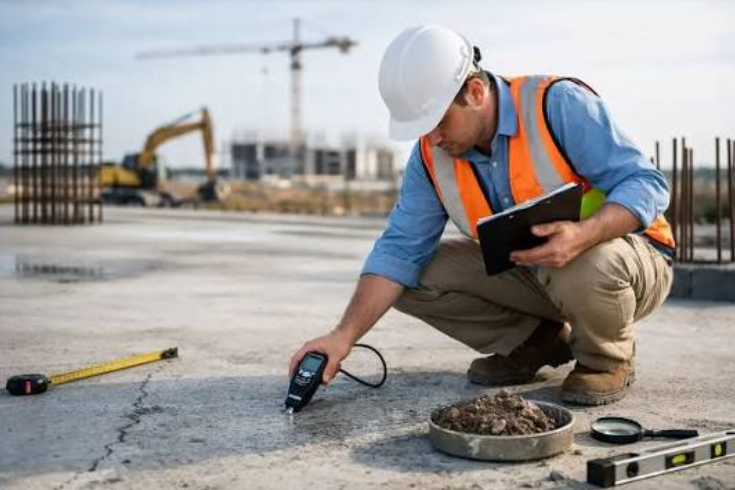
The reliability of aluminium die casting depends heavily on rigorous quality control. Service providers employ advanced inspection techniques, including coordinate measuring machines (CMM), X-ray analysis, and material testing, to ensure components meet strict specifications.
Through careful monitoring at each stage of production, aluminium die casting service providers reduce the risk of defects, maintain dimensional consistency, and ensure components perform reliably in their intended applications.
Innovations in Aluminium Die Casting
Technological advancements continue to enhance the capabilities of aluminium die casting. Key innovations include:
- Multi-axis die casting machines: Allowing more complex part geometries and reducing setup times.
- Advanced alloys: New aluminum formulations offer higher strength, improved corrosion resistance, and lighter weight.
- Automation and robotics: Streamlined production, trimming, and finishing reduce human error and increase efficiency.
- Simulation software: Optimizing die design, material flow, and cooling reduces defects and improves consistency.
Sustainability in Aluminium Die Casting
Sustainability is increasingly important in manufacturing, and aluminium die casting supports environmentally responsible practices. Aluminium is fully recyclable without loss of quality, and efficient die designs reduce material waste. Energy-efficient production techniques and optimized workflows further minimize environmental impact while maintaining high production standards.
Future Prospects
The demand for aluminium die casting service providers is expected to grow as industries continue to seek lightweight, high-strength, and precision-engineered components. Advancements in automation, material science, and digital manufacturing will continue to improve production efficiency and component quality.
Aluminium die casting remains an essential process for modern manufacturing, combining precision, strength, and versatility. By leveraging professional service providers, companies across automotive, aerospace, electronics, and industrial sectors can achieve high-quality results while optimizing production costs and timelines.
Aluminium die casting service offers manufacturers a pathway to produce durable, high-performance, and complex components efficiently. As the industry evolves, it will continue to play a critical role in meeting the growing demands of modern manufacturing, supporting innovation, sustainability, and global industrial growth.