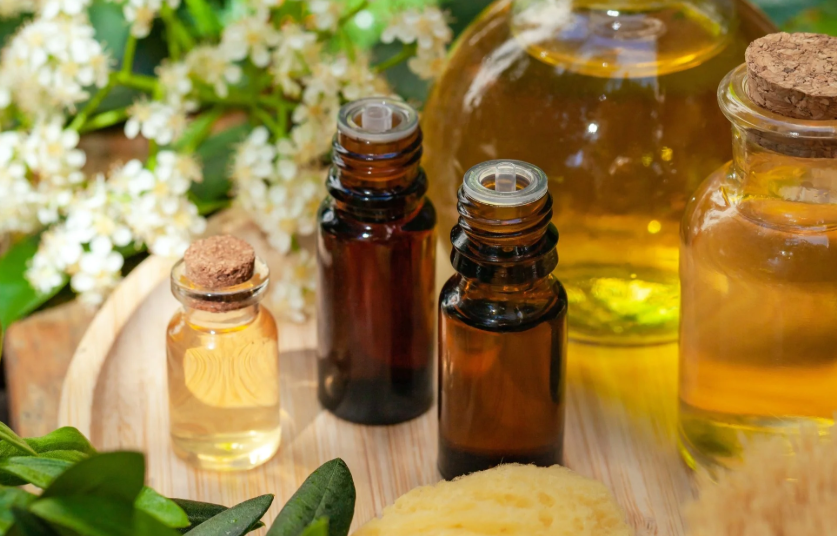
Fragrance oil is one of the most popular ingredients used in home fragrance, body care, and creative DIY projects. Whether you’re making candles, soaps, or room sprays, fragrance oils provide the beautiful scents that bring your creations to life. But what exactly is fragrance oil, and how is it different from other scent options like essential oils?
This guide explains what fragrance oils are, how they’re made, and why they’re such a versatile choice for scenting products.
Definition of Fragrance Oil
Fragrance oil is a scented liquid made from either synthetic aroma compounds, natural ingredients, or a combination of both. Unlike essential oils, which are derived solely from plants, fragrance oils are designed in a lab to replicate specific scents or create entirely new fragrance blends.
Fragrance oils can smell like flowers, fruits, woods, baked goods, or even things that don’t occur in nature—like vanilla chai latte or sea breeze. They’re used across a wide range of products because they offer greater stability, consistency, and variety than essential oils.
See also: Digital Estate Planning Tools: The Future of Protecting Your Legacy Online
What Is Fragrance Oil Made From?
Fragrance oils are made using a combination of aromatic ingredients. These can include synthetic aroma chemicals, essential oils, resins, and a carrier or stabiliser to dilute and preserve the blend.
There are two main types:
- Synthetic fragrance oils, which are created from lab-based compounds to mimic natural or invented scents
- Natural fragrance oils, which are made using only plant-derived components (though they’re still lab-blended)
Synthetic oils are often preferred for their reliability and variety, especially in candle making, where some essential oils don’t perform well under heat.
Common Uses of Fragrance Oils
Fragrance oils are widely used across a number of DIY and commercial products, including:
- Candle making – They are a top choice for home and hobby candle makers because of their strong scent throw and wide selection of aromas
- Soap and body products – Used in lotions, scrubs, body butters, and perfumes where a stable, skin-safe fragrance is needed
- Room sprays and diffusers – Great for refreshing spaces with long-lasting scent
- Wax melts and potpourri – Used to fragrance rooms without the need for an open flame
If you’re working on any of these projects, it’s easy to browse a full selection of fragrance oil options designed for specific applications.
Benefits of Using Fragrance Oils
One of the biggest advantages of fragrance oil is variety. Unlike essential oils, which are limited to plant-based scents, fragrance oils can replicate almost any smell imaginable.
Other benefits include:
- Stronger and longer-lasting scent
- Cost-effective compared to many essential oils
- More consistent across batches
- More heat stable, making them ideal for candles and wax melts
- Widely available, with thousands of unique blends to choose from
Fragrance oils also typically have a longer shelf life and aren’t as sensitive to light or heat.
Are Fragrance Oils Safe?
When used correctly and as intended, fragrance oils are safe. However, it’s important to choose oils that are clearly labelled as:
- Skin-safe or cosmetic-grade if you’re using them in body products
- Candle-safe for wax applications
- IFRA-compliant, meaning they meet industry safety standards
Always follow the recommended usage rates and conduct a patch test before applying to skin. Fragrance oils are highly concentrated, so using too much can lead to skin irritation or performance issues in your final product.
How to Choose the Right Fragrance Oil
When selecting a fragrance oil, think about the purpose of your project. Some oils work better in wax-based products, while others are ideal for skincare or sprays. Here are a few tips:
- Check if the oil is designed for your intended use (e.g. wax, soap, skin)
- Read the description for notes on scent strength and throw
- Look at the flashpoint if you plan to use it in candles or diffusers
- Decide between single-note scents (like lavender or vanilla) or complex blends (like citrus basil or black amber musk)
If you’re blending your own scents, start with small test batches and note your ratios so you can recreate successful combinations later.
Summing Up
Fragrance oils are a reliable, affordable, and creative way to scent your products. From candle making to body care and home fragrance, they offer endless options with consistent performance and long-lasting results.
Whether you’re a hobbyist or creating products to sell, understanding what fragrance oil is—and how to use it safely—will help you get the most out of every project.