Introduction to Steel Warehouse Building
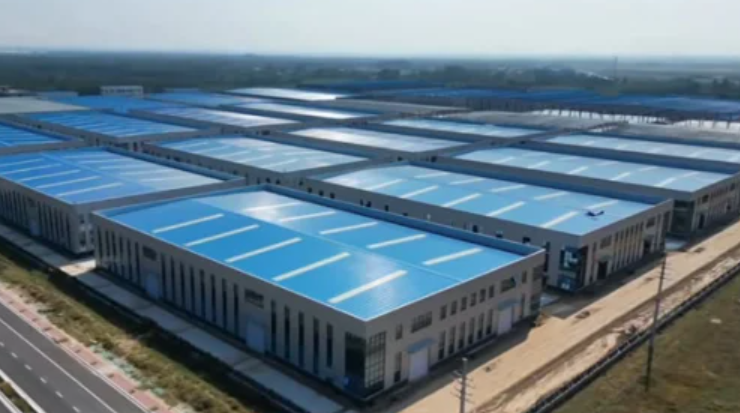
A steel warehouse building is an industrial structure designed using steel frames and panels, offering strength, durability, and cost-effectiveness. These buildings provide a faster, more flexible alternative to traditional concrete or brick warehouses, making them ideal for modern industrial and commercial operations.
Steel warehouse buildings are widely used in storage, manufacturing, logistics, and commercial applications due to their quick assembly, long-term performance, and adaptability.
What Is a Steel Warehouse Building?
A steel warehouse building is constructed with prefabricated steel columns, beams, and trusses. Wall and roof panels are typically Warehouse Steel Structure made of metal, providing insulation, weather protection, and structural integrity. The modular design allows for customizable layouts and scalable space to meet specific business requirements.
Key features include:
- Strong steel frame construction for durability
- Prefabricated components for rapid assembly
- Flexible design and customizable layouts
- Low-maintenance and long-lasting structure
See also: Streamlining Payroll Operations for Businesses in Hong Kong
Advantages of Steel Warehouse Buildings
Durability
- Resistant to fire, pests, corrosion, and environmental stress
- Long-lasting and low-maintenance construction
Cost-Effectiveness
- Lower construction costs compared to traditional concrete or brick warehouses
- Reduced labor and long-term maintenance costs
Rapid Construction
- Prefabricated steel components allow faster installation
- Reduces project timelines significantly
Flexibility
- Modular design allows easy expansion or reconfiguration
- Suitable for warehouses, manufacturing units, and commercial facilities
Sustainability
- Steel is recyclable and environmentally friendly
- Reduces construction waste and supports sustainable building practices
Applications of Steel Warehouse Buildings
Storage and Logistics
- Ideal for warehouses, distribution centers, and storage facilities
- Supports high-capacity inventory and industrial equipment
Manufacturing Units
- Provides durable industrial spaces for production and assembly
- Suitable for factories, workshops, and processing plants
Commercial Use
- Can be adapted for large retail spaces, showrooms, or trading facilities
- Flexible layout allows integration of office areas within the warehouse
Agricultural and Industrial Applications
- Storage for machinery, grains, chemicals, or equipment
- Protects assets from weather and environmental hazards
Emergency or Temporary Use
- Quick deployment for temporary warehouses or industrial spaces
- Useful for construction projects or disaster relief operations
Installation Process
- Prepare and level the construction site
- Assemble steel framework (columns, beams, trusses)
- Install roof and wall panels
- Add insulation, doors, windows, and interior fittings
- Conduct quality checks for structural integrity and safety
Conclusion
Steel warehouse buildings provide a reliable, cost-effective, and flexible solution for industrial, commercial, and agricultural needs. Their rapid assembly, long-term durability, and adaptable design make them an ideal choice for businesses seeking modern warehouse and storage solutions.
Frequently Asked Questions
How long does it take to construct a steel warehouse building?
Typically, construction can take a few weeks to a few months depending on the size and complexity.
Are steel warehouse buildings durable?
Yes, steel frames provide excellent strength and resistance to fire, pests, and environmental stress.
Can steel warehouse buildings be expanded?
Yes, the modular design allows for easy expansion or modification.
Are steel warehouse buildings cost-effective?
Yes, both initial construction and long-term maintenance costs are lower than traditional structures.
Can steel warehouse buildings be customized?
Absolutely. Layout, size, insulation, and interior configurations can all be tailored to business needs.