Modern office environments demand more than aesthetic appeal. They require strategic spatial planning, ergonomic considerations, and technical precision that directly impacts employee productivity and business performance. The integration of acoustic engineering, lighting design, and climate control systems forms the foundation of effective workspace architecture. When businesses seek commercial interior designers in Indore or commercial interior designers in Bhopal they’re not just looking for decorators, they’re searching for professionals who understand how physical environments influence cognitive function, collaboration patterns, and organizational culture. The technical aspects of commercial interiors involve load-bearing assessments, HVAC integration, electrical layouts, and compliance with building codes, all while creating spaces that reflect brand identity and support operational efficiency.
Understanding the Commercial Interior Design Process
Commercial interior designers are responsible for creating safe, functional, and aesthetically appealing business environments, such as offices, retail stores, and hospitality venues, that align with brand identity, improve productivity, and meet building codes. Key responsibilities include strategic space planning, budget management, sourcing materials, and coordinating with contractors through project completion.
Core Responsibilities
- Client Consultation and Vision Alignment: Understanding business goals, user needs, and brand identity to translate them into a functional design concept.
- Space Planning and Layout Design: Maximizing efficiency, flow, and usability of the space, ensuring it is neither congested nor inefficient.
- Technical Documentation and Modeling: Creating 2D/3D plans, elevations, and technical drawings to guide construction.
- Material and Finish Selection: Choosing durable, high-quality, and compliant materials, fabrics, and furniture that meet safety and aesthetic standards.
- Lighting and Acoustic Design: Designing lighting solutions to enhance mood and productivity, and integrating sound control, especially in open-plan offices.
- Project Management and Coordination: Overseeing timelines, managing budgets, conducting site visits, and collaborating with architects and contractors to ensure compliance with building and safety codes.
- Finishing and Styling: Selecting and placing furniture, fixtures, art, and signage to complete the brand experience.
Technical Infrastructure and Modern Requirements
Contemporary offices rely on sophisticated technical infrastructure. Electrical systems must support dense computer networks, charging stations, and specialized equipment. Data cabling needs careful planning to ensure connectivity throughout the space while maintaining clean visual lines. Power distribution requires strategic placement of outlets and consideration of future technology needs.
Lighting design involves layering ambient, task, and accent lighting to create appropriate illumination for different activities. Natural light integration reduces energy consumption and improves employee wellbeing. Artificial lighting must provide adequate brightness without creating glare on computer screens. Controls for different zones allow adjustment based on time of day and specific needs.
Climate control systems affect both comfort and operational costs. Proper HVAC design ensures consistent temperature and air quality across the workspace. Zone controls allow different areas to maintain appropriate conditions, server rooms need cooling while conference rooms require flexible temperature adjustment.
Acoustic treatment often gets overlooked until problems arise. Sound-absorbing materials, strategic layout planning, and specialized treatments for conference rooms prevent noise from undermining productivity. Open offices particularly need careful acoustic design to prevent sound from traveling and creating distractions.
Design Strategies for Different Commercial Sectors
Corporate offices require professional aesthetics that reinforce brand identity. Reception areas make first impressions on clients and visitors. Executive spaces balance prestige with functionality. Employee areas need efficiency and comfort. Meeting rooms must support technology integration for presentations and video conferencing.
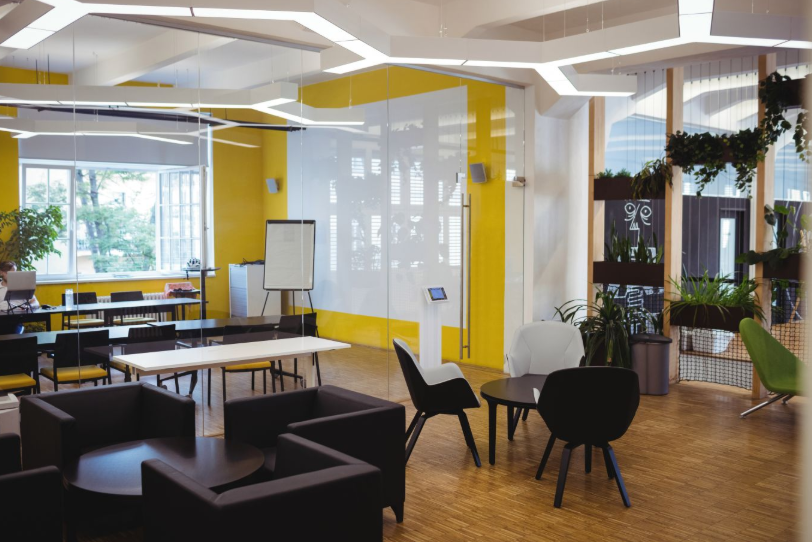
Tech companies often prefer flexible, creative environments. Standing desks, modular furniture, and adaptable spaces support agile work styles. Recreational areas and informal meeting spots encourage spontaneous collaboration. Bold design choices and unconventional layouts reflect innovation-focused culture.
Healthcare administration offices need calming environments that reduce stress. Clean lines, natural materials, and appropriate color palettes create reassuring atmospheres. Privacy considerations become paramount. Hygiene requirements influence material selections and layout decisions.
Legal and financial firms emphasize confidentiality and professionalism. Soundproof consultation rooms, secure document storage, and sophisticated aesthetics reinforce trust. Traditional design elements often blend with modern functionality to balance heritage and progress.
See also: Streamlining Payroll Operations for Businesses in Hong Kong
Key Trends in Commercial Workspace Interior Design
Nowadays, commercial design focuses on sustainable, wellness-driven, and adaptable spaces that blend, biophilic elements, smart technology, and flexible layouts. Key trends include creating “resimercial” environments that combine home-like comfort with office functionality, using warm, earthy, and bold color palettes to enhance employee well-being and productivity.
Key Trends in Commercial Interior Design:
- Biophilic Design & Wellness: Beyond just plants, this includes maximizing natural light, using organic materials, and creating living walls to boost mental well-being.
- Flexible & Hybrid Workspaces: Modular, adaptable spaces with hot-desking, soundproof pods, and versatile meeting rooms cater to hybrid teams.
- Sustainable & Eco-Friendly Design: A move toward green-certified buildings, eco-conscious materials, and energy-efficient systems as a baseline requirement.
- Smart Technology Integration: Seamless incorporation of technology like AI-driven booking systems, IoT-enabled lighting, and interactive displays.
- Resimercial & Warm Minimalism: Blending residential comfort with commercial efficiency using soft, earthy tones (sage green, terracotta, beige) to create inviting, non-sterile environments.
- Brand Identity & Expression: Moving away from generic designs to curated, authentic spaces that reflect brand identity through art, local craftsmanship, and unique design elements.
- Experiential & Bold Spaces: Using dramatic, bold colors, sculptural, rounded furniture, and artistic designs to create memorable moments, particularly in retail and hospitality.
Common Features in Modern Commercial Projects:
- Collaborative Zones: Spaces designed specifically for team interaction and community engagement.
- Enhanced Acoustics: Focus on sound-absorbing materials to reduce noise in open-plan offices.
- Cultural Integration: Incorporating local, regional design elements to foster a sense of belonging.
Conclusion
Creating effective commercial interiors involves balancing technical requirements with human needs. Successful office environments support productivity while reflecting organizational values. The complexity of modern workplace design requires professional expertise that understands both aesthetic vision and practical implementation. Phi Design has established itself as one of the best office interior designers in Indore and Bopal, a trusted partner for businesses seeking comprehensive interior solutions, bringing technical knowledge and creative vision to commercial projects across central India. Their systematic approach ensures that every element, from initial space planning through final installation, contributes to workspaces that truly serve their purpose. Whether renovating existing offices or creating new facilities, the right design partner transforms commercial spaces into strategic business assets that attract talent, impress clients, and support long-term success.